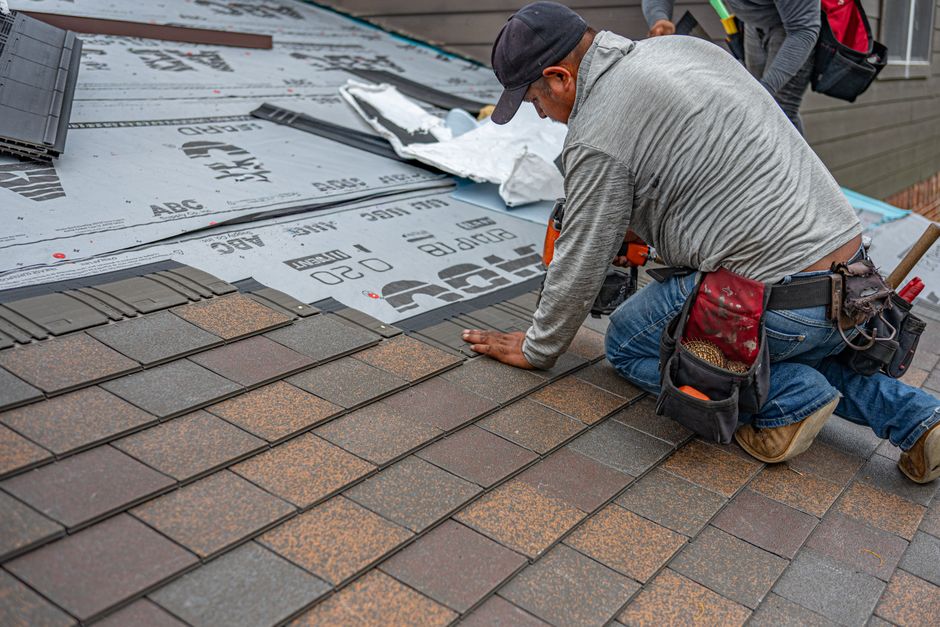
Why Attic Insulation Matters for Roof Health
Attic insulation is a critical component of a building’s thermal envelope, yet its role in preserving roof health is often overlooked. When insulation is insufficient or improperly installed, a cascade of issues can arise, affecting both the roof structure and the interior environment. This article examines the relationship between attic insulation and roof longevity, focusing on two common problems: ice dams and condensation. It also outlines practical insulation strategies that can mitigate these risks and contribute to the overall well-being of the roof.
Understanding the physical principles behind heat transfer and moisture dynamics is essential for grasping why insulation matters. In a typical home, warm air rises and escapes through the attic if the ceiling is not adequately sealed and insulated. This heat loss can lead to elevated attic temperatures, which, during winter, cause snow on the roof to melt unevenly. The melted water then refreezes at the colder eaves, forming ice dams. Conversely, during warmer months, warm and humid air can enter the attic, leading to condensation on cool surfaces, which may promote rot and mold. Addressing these issues requires a comprehensive approach that includes proper insulation, ventilation, and air sealing.
The Mechanics of Ice Dam Formation
Ice dams are ridges of ice that form at the edge of a roof, typically near the eaves. They develop when heat from the attic warms the roof deck, causing snow to melt. The meltwater runs down the roof and reaches the colder overhang, where it freezes again. Over time, this cycle builds up ice, creating a dam. The trapped water can then back up under shingles and penetrate the roof deck, leading to leaks and structural damage.
The root cause of ice dams is an imbalance in roof temperature. In a well-insulated and properly ventilated attic, the temperature of the roof deck remains close to the outdoor temperature, preventing snow from melting prematurely. However, when insulation is inadequate, the roof deck becomes warm, creating the conditions for ice dams. The susceptibility to ice dams also depends on factors such as local climate, roof design, and the direction of the roof slope.
Beyond structural damage, ice dams can damage gutters, loosen shingles, and even cause water stains on ceilings and walls. In severe cases, the added weight can stress the roof structure. Therefore, addressing the insulation levels and air sealing in the attic is a proactive measure to prevent these issues.
It is important to note that ice dam formation is not solely an insulation issue. Ventilation, air leakage, and the geometry of the roof also play significant roles. A holistic approach that considers all these factors is necessary to effectively mitigate the risk of ice dams.
Condensation and Moisture Accumulation in the Attic
Condensation occurs when warm, moist air comes into contact with a cold surface, causing water vapor to turn into liquid water. In an attic, this can happen on the underside of the roof deck, on ductwork, or on other surfaces. Common sources of moisture include household activities such as cooking, bathing, and laundry, which release significant amounts of water vapor into the indoor air. If this humid air migrates into the attic through leaks in the ceiling or recessed lighting fixtures, it can condense in the cooler attic space.
Prolonged condensation can lead to several problems: wood rot in the roof framing and sheathing, degraded insulation performance, and the growth of mold and mildew. These issues not only compromise the integrity of the roof but also pose potential health risks to occupants. The presence of mold, for example, can reduce indoor air quality and exacerbate respiratory conditions.
Proper attic insulation helps mitigate condensation by keeping the roof deck temperature closer to the outdoor temperature, reducing the likelihood of moisture-laden air condensing on it. However, insulation alone is insufficient; air sealing is equally important. By sealing penetrations and gaps that allow warm, moist air to escape from the living space, the humidity level in the attic can be better controlled.
Ventilation also plays a crucial role. In cold climates, a balanced ventilation system removes excess moisture and helps maintain a continuous air flow under the roof deck, which keeps it dry. In warm climates, ventilation helps dissipate heat that can build up in the attic, reducing the risk of heat-related damage to roofing materials.
Understanding R-Value and Insulation Materials
The R-value of insulation measures its thermal resistance—the higher the R-value, the better it insulates. Recommended R-values vary by climate zone and are typically specified by local building codes. For attics, insulation is often installed in the floor of the attic (i.e., the ceiling of the living space), but it can also be installed as a barrier on the underside of the roof deck in some designs.
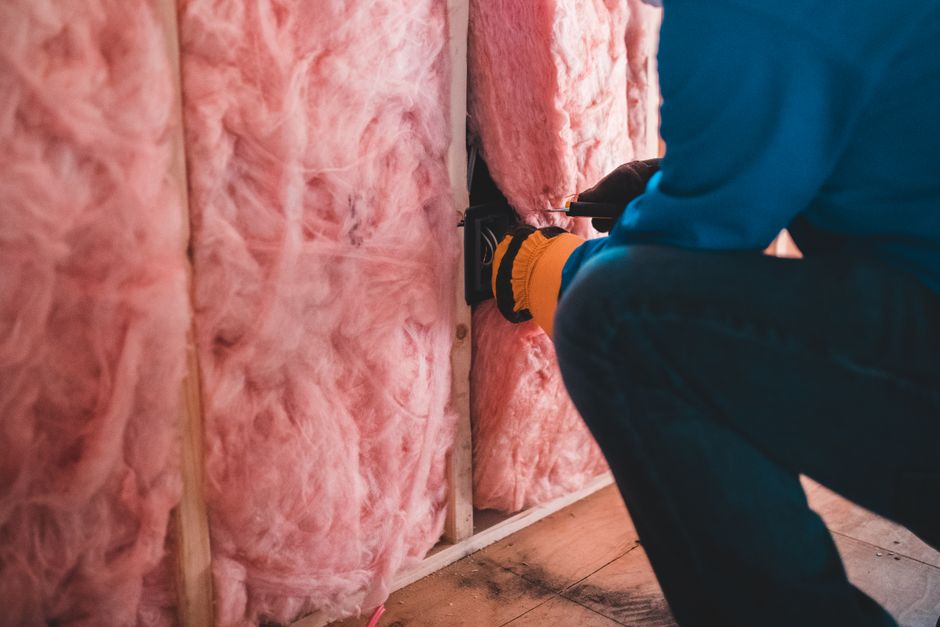
Several types of insulation are available, each with its own characteristics and installation methods. Fiberglass batts are common due to their cost-effectiveness and ease of installation. However, they require careful fitment to avoid gaps that reduce effectiveness. Loose-fill cellulose or fiberglass is often used for its ability to fill irregular spaces and create a more uniform layer. Spray foam insulation offers high R-values and also acts as an air barrier when applied correctly. Each material type has its own set of considerations regarding moisture resistance, fire safety, and installation complexity.
The choice of insulation material depends on factors such as the existing construction, the desired R-value, and the local climate. For example, in areas with high humidity, closed-cell spray foam may be preferred because it resists moisture absorption. In contrast, open-cell spray foam and fiberglass are more permeable and may require a vapor barrier in certain conditions.
It is crucial to ensure that the insulation is installed correctly. Gaps, compression, and misplaced batts can significantly reduce its performance. Therefore, hiring a professional with experience in attic insulation is often recommended, or at least a thorough understanding of the installation guidelines.
Air Sealing: The Missing Link for Roof Health
Air leakage is a major contributor to heat loss and moisture problems in attics. Warm air, which holds more moisture than cold air, can escape through gaps around pipes, wiring, vents, and even around chimney flues. Once in the attic, this air can cause ice dams in winter and condensation in summer.
Air sealing involves closing these pathways to prevent the uncontrolled flow of air between the living space and the attic. Common methods include using caulk, foam sealant, or weatherstripping around penetrations. Larger gaps may require more elaborate sealing techniques, such as installing sheet metal or gypsum board.
While insulation slows heat transfer through solid surfaces, air sealing stops the bulk movement of air that carries heat and moisture. Together, they form a comprehensive approach to maintaining a consistent temperature and humidity level in the attic.
One effective strategy is to create a well-defined air barrier on the ceiling plane. This might involve installing a continuous vapor retarder or using a specialized air barrier system. However, the complexity of this task often makes it a job for professionals.
Ventilation Strategies for a Healthy Roof
Roof ventilation works in tandem with insulation and air sealing to regulate temperature and moisture. There are various types of roof ventilation systems, including ridge vents, soffit vents, gable vents, and powered attic fans. The choice of system depends on the roof design and the local climate.
The principle behind ventilation is to allow a continuous flow of outside air through the attic, which flushes out excess heat in summer and moisture in winter. A balanced system often uses intake vents at the eaves (soffit vents) and exhaust vents near the ridge, creating a natural convection current. In summer, this airflow helps prevent heat buildup, which can damage shingles and reduce energy efficiency. In winter, it helps keep the roof deck cold, minimizing ice dam risks.
However, ventilation is not a substitute for proper insulation and air sealing. In fact, without adequate insulation, ventilation alone can be ineffective and even counterproductive. For example, if the attic floor is not properly sealed, ventilating the attic can draw conditioned air from the living space, increasing energy loss.
When designing a ventilation system, it is important to follow local building codes and manufacturer guidelines. The ratio of vent area to attic area is typically specified, and it varies based on whether a vapor barrier is present or not.
Professional Assessment and Implementation Tips
Given the complexities involved, it is advisable to consult a professional for an attic insulation assessment. An experienced contractor can perform a thorough inspection, including checking insulation levels, identifying air leaks, and evaluating ventilation effectiveness. They can also recommend the most suitable insulation material and installation methods for your specific situation.
If you choose to undertake an insulation project, consider the following steps. First, seal all air leaks before adding insulation. This is a critical step that many homeowners overlook. Next, ensure that any existing insulation is in good condition and not compressed or damp. Replace or add insulation to achieve the recommended R-value for your area. Finally, make sure that vents are not blocked by insulation, as this can restrict airflow and lead to moisture problems.
Regular maintenance and inspection are also key. Over time, insulation can settle, rodents can damage it, and moisture can degrade its performance. Periodic checks can catch issues early and prevent costly repairs.
Remember, the effectiveness of any insulation strategy is context-dependent. Factors such as local climate, building design, and occupant behavior all influence outcomes. No single solution guarantees a problem-free roof, but a well-planned and executed approach can significantly reduce the risk of ice dams and condensation.
In the realm of building science, attic insulation is not merely a comfort upgrade; it is a foundational component that influences the durability and safety of the entire roofing system.
By prioritizing proper insulation, air sealing, and ventilation, homeowners can protect their investment and ensure the long-term health of their roof.